Seasons & Climate Zones
Canada’s vast geography creates one of the most diverse seasonal experiences on the planet. From the temperate rainforests of British Columbia to the Arctic tundra of Nunavut, travelers face dramatic shifts not just between seasons, but within single trips. Understanding these climate zone variations transforms potential challenges into opportunities, whether you’re planning a ski vacation in the Rockies, chasing fall colors in Ontario, or timing a whale-watching excursion off the Atlantic coast.
The country’s seasonal extremes demand more than casual preparation. A summer hike in Banff requires completely different gear than a winter visit to the same trails, while the same destination in April might offer vastly different conditions than in October. This comprehensive resource connects the dots between seasonal planning, climate adaptation, and activity-specific considerations, giving you the knowledge to make informed decisions about when to visit, what to pack, and how to maximize your experience in Canada’s distinct climate zones.
Understanding Canada’s Seasonal Extremes and Climate Diversity
Canada experiences some of the most pronounced seasonal transitions in the world, with temperature swings exceeding 60°C between summer highs and winter lows in continental regions. This creates distinct travel windows for different activities, but also introduces the concept of shoulder seasons—those transitional periods between peak times when costs drop but weather becomes unpredictable.
Shoulder seasons typically occur in late April to early June and September to early November across most of the country. During these periods, you might encounter spring snowstorms in the mountains or unseasonably warm autumn days on the prairies. Savvy travelers embrace this variability by building flexible itineraries and packing versatile clothing systems rather than committing to single-season gear.
Each climate zone presents unique considerations. Coastal British Columbia maintains milder temperatures year-round but experiences persistent rain from November through March. The prairie provinces see extreme temperature variations with bone-dry cold in winter and hot summers. Maritime provinces blend oceanic moderation with continental influences, creating rapid weather changes. Understanding which zone you’ll visit shapes every aspect of your preparation, from the weight of your sleeping bag to the waterproofing of your outerwear.
Adapting Your Travel Plans to Seasonal Conditions
Gear and Clothing Strategies
The foundation of seasonal adaptation lies in layering systems rather than single-purpose garments. A three-layer approach—base layer for moisture management, insulation layer for warmth, and shell layer for wind and precipitation protection—allows you to adjust to changing conditions throughout the day. This proves essential when morning temperatures hover around freezing but afternoon sun pushes into comfortable territory.
Consider a typical October day in Jasper National Park: you might start a hike in subfreezing temperatures requiring a down jacket, strip to a fleece by midday as you climb in full sun, then add layers again as you descend into shaded valleys. Travelers who pack only heavy winter coats or only light windbreakers find themselves uncomfortable, while those with modular systems adapt seamlessly.
Managing Daylight Variations
Daylight availability shifts dramatically with latitude and season across Canada. In southern Ontario, December offers roughly nine hours of daylight, while Whitehatch in Yukon sees barely five hours. This daylight shortage compresses your activity window and demands strategic planning, particularly for photography, wildlife viewing, or outdoor adventures where visibility matters.
Smart itinerary optimization means scheduling outdoor activities during peak light hours and reserving indoor experiences—museums, restaurants, cultural sites—for early mornings and evenings. Winter travelers often underestimate how 4:30 PM darkness affects their plans. A hiking route that seems reasonable in summer becomes rushed or impossible when sunset arrives by mid-afternoon. Build buffer time into your schedule and carry headlamps as standard equipment, not emergency backup.
Flexible Itinerary Planning
Weather-dependent activities require backup plans. Coastal whale watching gets cancelled in high winds, ski conditions deteriorate during warm spells, and autumn foliage viewing loses impact under overcast skies. Rather than rigid day-by-day schedules, create a list of desired experiences with multiple time slots where they could fit, allowing you to shift activities based on actual conditions.
This flexibility proves particularly valuable during shoulder seasons when forecasts become less reliable. Having both indoor and outdoor options for each day of your trip means unexpected rain doesn’t derail your entire vacation—it simply reshuffles your priorities.
Winter Adventures: Navigating Canada’s Ski Culture
Choosing the Right Ski Destination
The debate between major destination resorts and local hills involves more than just vertical meters and snowfall statistics. Destination resorts like Whistler, Lake Louise, or Tremblant offer extensive terrain, modern lift infrastructure, and comprehensive amenities, but command premium prices for both lift access and accommodations. A week-long family trip to a major resort can easily exceed several thousand dollars once you factor in travel, lodging, dining, and lift tickets.
Local hills near urban centers provide a different value proposition. While terrain may be limited and facilities more basic, proximity eliminates travel costs and time. For families with young children still developing skills, a local hill offering 200 meters of vertical provides ample challenge without the expense or intimidation factor of world-class resorts. The cost-benefit calculation shifts based on your group’s skill level, available vacation time, and whether the skiing itself or the destination experience takes priority.
Understanding Lift Ticket Economics
Ski resorts increasingly employ dynamic pricing models similar to airlines, where ticket costs fluctuate based on demand, purchase timing, and conditions. Walk-up window rates on a Saturday in February might cost 40-50% more than advance-purchase tickets for a midweek day in early December. Major Canadian resorts now offer tiered pricing with significant discounts for purchases made weeks in advance.
Season pass economics also merit analysis. If you plan to ski more than five to seven days at a single resort, passes often break even, and many now include reciprocal access at partner mountains. Multi-resort passes like the Ikon Pass provide access to several Canadian destinations, potentially offering value for travelers planning to visit multiple regions throughout the winter.
Equipment Decisions for Families
Parents face a recurring dilemma: renting gear for rapidly growing children or investing in ownership. The break-even point typically occurs around 10-15 days of use per season, but this calculation oversimplifies the decision. Rental equipment eliminates storage concerns, ensures properly maintained gear, and allows kids to try different equipment styles as their skills develop.
Purchasing makes sense for families skiing frequently at local hills where season rental packages become cost-prohibitive. However, buying from specialty shops offering seasonal trade-in programs or purchasing quality used equipment creates middle-ground options. Many Canadian ski shops run trade-in events each fall where last year’s outgrown boots and skis can be credited toward current-size gear, substantially reducing the ownership burden for growing families.
Fall Foliage: Timing and Techniques for Peak Colors
Predicting and Tracking Color Changes
Autumn leaf color progression follows predictable biological triggers based on temperature patterns, daylight reduction, and moisture availability, yet pinpointing peak color for specific regions remains challenging. Colors typically begin in northern regions and higher elevations in mid-September, progressing southward and to lower elevations through October. Ontario’s Algonquin Park usually peaks in late September to early October, while southern regions hit their stride in mid-October.
Temperature fluctuations significantly impact both timing and intensity. Warm, wet autumns delay color change and can produce muted displays, while sunny days following cool (but not freezing) nights generate the most vibrant reds and oranges. Several provincial tourism agencies and conservation organizations now maintain online tracking tools and interactive maps showing current color progression, allowing travelers to time trips within narrow windows of peak intensity.
Optimal Viewing Conditions
Light quality dramatically affects foliage photography and viewing experiences. Overcast conditions flatten colors and reduce visual impact, while harsh midday sun creates excessive contrast. The golden hours—the first two hours after sunrise and final two hours before sunset—provide warm, angled light that enhances reds and golds while adding dimension to forest landscapes.
Elevation matters for viewing platforms. Ground-level trails immerse you in the forest but limit perspective, while lookout points, observation towers, or elevated roadways allow you to see the full canopy spread. Water features add another dimension, as calm lakes and rivers create mirror reflections that double the visual impact. Morning visits to lakeside viewpoints often provide the calmest water for reflection photography before afternoon winds disturb the surface.
Responsible Access and Etiquette
Popular foliage viewing areas face significant crowding during peak weeks, and the temptation to venture onto private property for better views creates ongoing tensions. Trespassing risks extend beyond legal consequences—rural properties may have agricultural operations, equipment, or livestock that create safety hazards for unexpected visitors. Additionally, property owners who repeatedly deal with uninvited photographers often restrict access even for those who would ask permission politely.
Respectful alternatives include using designated viewing areas, asking landowners for permission before entering private property, and supporting businesses that provide legitimate access. Many farms and rural properties now offer paid viewing access or host seasonal events specifically for foliage enthusiasts, creating win-win scenarios where travelers gain access and landowners receive compensation for managing the traffic their scenic properties attract.
Cold-Weather Camping in Coniferous Forests
Shelter Selection for Winter Conditions
Camping in Canada’s boreal and subalpine coniferous forests requires different shelter considerations than summer camping or alpine environments. Dense tree cover provides wind protection but creates specific challenges: snow loading on tent roofs, limited flat ground among root systems, and the constant presence of sticky coniferous resin on everything you touch.
Four-season tents with steeper wall angles shed snow more effectively than three-season designs, while freestanding models allow you to set up on the limited flat ground available and move the shelter if needed without repacking stakes. Some experienced winter campers prefer lightweight hot tents with wood stoves for extended trips, though these require significantly more skill to operate safely and knowledge of local regulations regarding fire use.
Firewood and Fire Safety
Not all firewood performs equally in cold conditions. Coniferous species like spruce and pine ignite easily due to resin content but burn quickly and create more creosote buildup. Hardwoods like birch and aspen, where available in mixed forests, provide longer-burning coals better suited for sustained warmth and cooking. Dead standing timber typically offers drier wood than fallen logs that have absorbed ground moisture.
The term “widowmaker” refers to dead branches or tree tops loosened by wind, snow load, or decay that remain caught in the canopy above. These pose serious risks in coniferous forests where brittle branches can fall without warning, particularly during windy conditions or temperature fluctuations that shift snow loads. When selecting campsites, scan overhead for any suspended deadfall and position your tent and sitting areas well away from hazard zones beneath damaged or dead standing trees.
Managing Resin Challenges
Pine and spruce resin presents a persistent nuisance in coniferous forest camps, adhering to tent floors, boots, clothing, and hands. The sticky substance resists water-based cleaning and accumulates throughout multi-day trips. Prevention strategies include designating a “dirty” groundsheet beneath your tent floor, removing boots before entering shelters, and keeping separate “resin gloves” for handling firewood.
When resin inevitably transfers to gear, vegetable oil or alcohol-based hand sanitizer breaks down the sticky compounds more effectively than soap and water. Some campers carry small containers of cooking oil specifically for resin removal, applying it to affected areas before washing with regular soap. For fabric items like tent floors or jackets, freezing the material makes resin brittle enough to crack and peel off, though this only works for removable items you can place in a freezer once home.
Marine Wildlife Encounters Across Seasons
Timing Migration Patterns
Canada’s three ocean coasts host spectacular marine mammal populations with distinct seasonal patterns. Pacific gray whales migrate along British Columbia’s coast from March through May heading north, then return southbound from October through December. Humpback whales appear in both Pacific and Atlantic waters during summer months when prey concentrations peak. Orcas remain year-round in some areas but appear more reliably during salmon runs and seal pupping seasons.
Atlantic Canada sees humpback, fin, and minke whales from June through October, with peak sightings typically in July and August when capelin and other prey fish concentrate near shore. The Bay of Fundy’s extreme tides create unique feeding opportunities that draw right whales, though their populations remain critically endangered and viewing requires extreme caution and adherence to approach regulations.
Safe Boating Practices
Operating vessels around marine mammals demands constant vigilance for breach patterns and surfacing behavior. Whales surface to breathe at intervals ranging from minutes to over an hour depending on species and activity. Experienced operators watch for blow spouts indicating breathing whales, then predict surfacing locations based on travel direction and dive duration.
Collision risks increase when operators focus too intently on whales already visible rather than scanning broadly for additional animals surfacing unexpectedly. Regulatory guidelines typically require vessels to maintain minimum distances—often 100 to 200 meters depending on species—and to approach from parallel angles rather than head-on or from behind. Sudden directional changes or speed adjustments should be avoided when whales are nearby, as unpredictable vessel behavior makes it harder for animals to avoid potential strikes.
Minimizing Environmental Impact
Engine noise travels effectively through water and can disrupt marine mammal communication, navigation, and feeding behavior. Sound pollution from boat traffic accumulates in popular viewing areas, potentially displacing animals from preferred habitats. Responsible operators minimize time spent at high RPMs near wildlife, maintain steady speeds rather than frequent acceleration and deceleration, and limit viewing duration to 30 minutes or less per animal encounter.
Vessel choice affects impact levels. Smaller boats with outboard motors produce different sound signatures than larger vessels with inboard diesel engines, though no motorized craft is truly silent underwater. Some operators now offer specialized whale-watching experiences using sailing vessels or kayaks that dramatically reduce noise pollution, though these options limit range and weather tolerance. Balancing the desire for close encounters with the responsibility to minimize disturbance defines ethical wildlife viewing and ensures these populations remain accessible for future generations.
Successfully navigating Canada’s seasons and climate zones requires understanding far more than temperature ranges and precipitation patterns. From adapting your gear layers to match unpredictable shoulder season weather, to timing ski trips for optimal snow quality, tracking fall color progression, or positioning yourself for marine wildlife encounters, each seasonal activity demands specific knowledge and flexible planning. The country’s climatic diversity rewards those who research thoroughly, prepare comprehensively, and remain willing to adjust plans based on real-time conditions rather than rigid expectations.
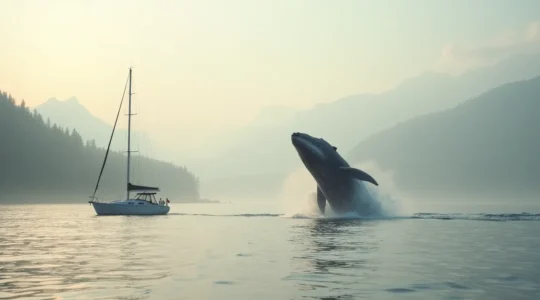
Whale Watching from Private Boats: What Is the Legal Distance in Canada?
For recreational boaters in Canada, understanding whale watching laws goes far beyond a single distance rule. The key to a safe and legal encounter is managing your vessel’s overall impact—its speed, its course, and especially its underwater noise. This guide…
Read more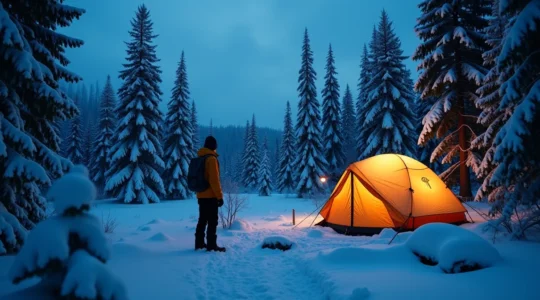
Winter Camping in the Boreal Forest: How to Stay Warm at -20°C?
In summary: Mastering the boreal forest’s “coniferous physics”—not just buying expensive gear—is the key to warmth at -20°C. Prioritize dead, standing tamarack or jack pine for high-heat, low-spark fires essential for hot tenting. Manage moisture by understanding “active-static transitions”; vent…
Read more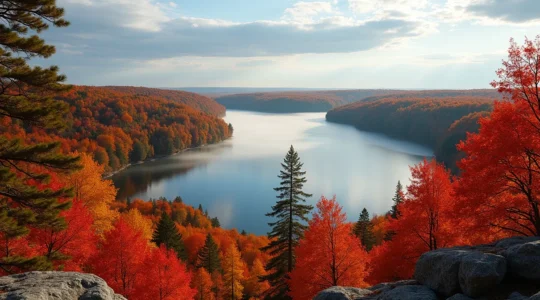
Fall Foliage in Ontario: How to Pinpoint the Absolute Peak Colour Window?
In summary: Peak fall colour is a scientific process triggered by cool nights and sunny days; warm weather can significantly delay it. Use a combination of official park reports, live webcams, and social media geotags to track the “colour front”…
Read more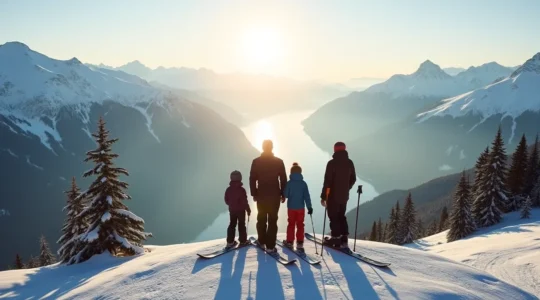
Whistler vs. Big White: Which Ski Resort Offers Better Value for Families?
Choosing between Whistler and Big White isn’t about which is ‘cheaper’, but where your family finds the most value per dollar spent on and off the slopes. Whistler’s higher price can be offset by multi-day passes, but peak season crowds…
Read more
Visiting Canada in November: Why Is It the Cheapest Month to Fly?
November travel in Canada isn’t cheap by accident; it’s a calculated opportunity for savvy travelers to leverage the “in-between” economy for maximum value. The price drop is driven by a predictable lull between the peak fall foliage and ski seasons,…
Read more