Natural Wonders & Wild Lands
Canada’s natural wonders span an extraordinary range of ecosystems, from the temperate rainforests of British Columbia to the vast boreal wetlands of the interior. These wild lands represent some of the most pristine and ecologically significant landscapes on Earth, yet they also present unique challenges for visitors. Understanding the atmospheric phenomena that shape these regions, the wildlife that inhabits them, and the ethical frameworks that protect them is essential for anyone seeking to experience Canada’s wilderness responsibly.
For travellers new to Canada’s backcountry, the sheer scale and remoteness of these natural areas can feel overwhelming. Unlike more developed tourism destinations, wild lands demand preparation, respect, and a willingness to adapt to unpredictable conditions. This foundation explores the core themes that define wilderness travel in Canada: the weather systems that govern coastal and interior regions, the logistics of accessing protected areas, the protocols for safe wildlife encounters, and the conservation principles that ensure these places remain intact for future generations.
Understanding Canada’s Unique Weather Patterns
Canada’s wild lands are shaped by dramatic atmospheric forces that visitors must learn to anticipate and respect. On the Pacific coast, the atmospheric river phenomenon delivers unprecedented volumes of moisture from late autumn through early spring. These concentrated bands of water vapour, sometimes called “Pineapple Express” systems when originating near Hawaii, can deposit the equivalent of several weeks’ rainfall in a matter of days.
The resulting conditions create what many describe as a state of perpetual wetness. In places like Pacific Rim National Park Reserve, humidity levels regularly exceed 90%, fog blankets coastal trails, and precipitation occurs on more than 200 days annually. This isn’t occasional rain—it’s a fundamental climatic characteristic that defines the entire ecosystem. Western red cedars and Sitka spruce thrive precisely because of this constant moisture, and salmon streams depend on the predictable winter deluge.
For visitors, this means rethinking traditional hiking preparation. Conventional rain gear designed for occasional showers proves inadequate when facing days of continuous precipitation. The health risks associated with prolonged wetness and cold—particularly hypothermia—remain present even in temperatures that seem mild. Understanding these weather patterns isn’t about finding the “perfect” conditions; it’s about timing visits for safety, selecting appropriate gear for high-exertion activities in wet environments, and embracing the moody aesthetic that defines Canada’s coastal wilderness.
Preparing for Remote and Isolated Conditions
Canadian wilderness areas often mean genuine isolation, measured not in minutes but in hours or days from emergency services. This remoteness is part of what makes these landscapes so ecologically valuable, but it demands a different approach to planning and risk management.
The psychological dimension of isolation affects visitors differently. Some find profound peace in knowing they’re beyond cell coverage; others experience anxiety as the last trailhead disappears from view. Both responses are valid, and honest self-assessment before committing to multi-day backcountry trips prevents situations where discomfort escalates into genuine distress. Parks Canada and provincial authorities recommend gradually increasing isolation exposure rather than attempting ambitious remote routes without prior experience.
Communication devices have evolved significantly, offering more options than ever for emergency contact:
- Satellite messengers provide two-way text communication and SOS functions in areas without cellular coverage
- Personal locator beacons (PLBs) transmit distress signals to search and rescue coordination centres
- Satellite phones enable voice communication but require clear sky visibility and higher costs
- InReach devices combine GPS tracking with messaging, allowing loved ones to follow your progress
The danger of getting lost remains one of the most common wilderness emergencies. Coastal fog can reduce visibility to mere metres, while the thick canopy of old-growth forests limits GPS accuracy. Responsible wilderness ethics include informing others of your route, carrying detailed topographic maps, and knowing when conditions exceed your navigation skills. The goal isn’t to eliminate all risk—it’s to ensure risks are conscious, calculated, and within your capacity to manage.
Navigating Access Systems and Logistics
Canada’s approach to protecting wild lands while allowing public access involves a complex system of permits, reservations, and access restrictions. Understanding these mechanisms helps avoid frustration and supports the conservation mandate they’re designed to serve.
The provincial park permit system varies significantly between jurisdictions. British Columbia Parks operates a centralized reservation platform where visitors can book specific campsites months in advance, particularly crucial for popular destinations during peak season. Usage types matter—frontcountry camping permits differ from backcountry permits, and some areas require additional fees for activities like paddling or group use. Revenue from these permits directly funds trail maintenance, wildlife monitoring, and interpretive programs.
Certain iconic locations impose specific access restrictions to prevent environmental degradation. Where shuttle systems operate, they serve a dual purpose: reducing traffic congestion and parking impacts while controlling visitor numbers to sustainable levels. The temptation to circumvent these systems through illegal parking creates genuine problems—vehicles blocking emergency access, trailhead damage, and potential fines that exceed shuttle costs by significant margins.
Timing considerations extend beyond weather to include crowd management and wildlife interactions. Accessing parks in winter often requires different permits or none at all, but demands winter camping expertise. Using public transport to reach parks, where available, reduces environmental impact and often connects visitors with nearby communities. Choosing accommodation based on town vibe—whether the quiet atmosphere of Tofino or the gateway energy of Jasper—becomes part of the wilderness experience rather than just a logistical necessity.
Wildlife Encounters: Ethics, Safety and Observation
Canada’s wild lands support charismatic megafauna—grizzly bears, black bears, wolves, whales—that draw visitors from around the world. These encounters represent both the greatest appeal and the most serious responsibility of wilderness travel.
Bear country protocols aren’t suggestions; they’re requirements that protect both humans and bears. Managing food properly means using bear-proof canisters or hanging systems, cooking away from sleeping areas, and understanding that “food” includes anything with a scent—toothpaste, sunscreen, even lip balm. The consequences of improper food storage extend beyond personal risk: bears that obtain human food often must be destroyed, making proper protocols a conservation imperative.
Observing animals ethically means prioritizing their wellbeing over photographic opportunities. Recognizing animal stress signals—a bear jaw-popping, a whale changing direction abruptly, birds flushing repeatedly from nests—tells you when to increase distance immediately. The consequences of baiting, whether intentional or through careless food practices, can result in substantial fines under federal and provincial wildlife protection regulations.
For those specifically seeking wildlife observation experiences, choosing the right approach matters:
- Research eco-friendly tour operators certified by recognized programs and committed to distance guidelines
- Select appropriate optics—binoculars often provide better experiences than telephoto lenses that encourage closer approach
- Time activities for optimal light and animal activity patterns, typically dawn and dusk
- Understand that failed sightings are part of ethical observation; wildlife owes us nothing
The risk of wildlife proximity increases when visitors underestimate how quickly situations can change. A seemingly distant whale can surface metres from your kayak; a bear can cover 50 metres in three seconds. Maintaining legal distances—100 metres for bears in national parks, 200 metres for whales in BC waters—provides the buffer that prevents encounters from becoming emergencies.
Environmental Stewardship and Conservation Responsibility
Every visit to Canada’s wild lands creates impact. Responsible tourism means understanding these impacts and actively working to minimize them, recognizing that pristine landscapes remain so only through collective effort.
The ecological impact of tourism manifests in ways both obvious and subtle. Heavy foot traffic compacts soil around ancient trees, damaging root systems that took centuries to establish. The risk of root compaction has led to boardwalk installation at many old-growth sites, but less-accessible groves still depend on visitor restraint. Understanding tree biology—how Sitka spruce can live 800 years and western red cedars exceed 1,000—helps visitors appreciate why staying on designated paths matters.
Practicing biosecurity as a tourist addresses the spread of invasive species and pathogens between ecosystems. This means:
- Cleaning boots and gear between different park visits to prevent pathogen transfer
- Never transporting firewood across regions, as this spreads destructive insects
- Avoiding introduction of non-native plants by checking clothing and packs for seeds
- Reporting unusual wildlife disease symptoms to park authorities
The impact of climate change on Canadian ecosystems is increasingly visible. Glaciers that once calved massive icebergs now retreat kilometres from historical positions. Tree species boundaries shift northward and upward in elevation. Understanding keystone species—salmon that transport marine nutrients into forests, beavers that create wetland habitat supporting dozens of other species—reveals how climate disruptions cascade through entire systems.
The role of trees in climate extends beyond carbon storage. Coastal temperate rainforests sequester more carbon per hectare than almost any ecosystem on Earth, making their protection globally significant. Choosing between famous sites and less-visited alternatives isn’t just about avoiding crowds—it distributes impact across more resilient systems.
Exploring Canada’s Diverse Wild Ecosystems
Canada’s natural wonders encompass dramatically different ecosystems, each requiring specific knowledge and presenting unique rewards. Understanding these variations helps visitors select experiences matching their interests and abilities.
Wetland canoe routes offer intimate access to ecosystems often overlooked in favour of dramatic mountain scenery. Yet these areas perform critical ecological functions—filtering water, storing carbon, providing nursery habitat for fish and birds. Navigating wetland challenges means choosing footwear for mud that can approach knee-depth, understanding how to cross beaver dams without damaging them, and timing visits to avoid peak insect periods (typically late May through early July in most regions). The risk of waterborne illness, while low, necessitates treating or filtering all drinking water.
Coastal environments provide opportunities for finding and identifying the world’s largest animal. Blue whales, which can exceed 30 metres in length, migrate through Canadian Pacific waters seasonally. Comparing whale sizes helps identification—humpbacks average 12-16 metres, grays 13-15 metres, while orcas reach 7-9 metres. Timing tide cycles affects visibility and whale behaviour, as many species concentrate feeding efforts during tidal exchanges that bring nutrients to the surface.
Old-growth forest experiences demand particular reverence. Locating ancient trees without contributing to their damage means researching sites with established viewing infrastructure before seeking more remote groves. The atmosphere of these forests—filtered light, cathedral silence, the scale of 60-metre trunks—creates what many describe as a spiritual experience. Protecting camera gear in the constant mist becomes necessary, but sometimes the most meaningful response is simply to stand quietly among living things that predate European contact with this continent.
Planning itineraries that manage both crowds and wildlife interactions requires flexibility. Optimal conditions for one activity—calm seas for whale watching, misty atmosphere for photography—may be suboptimal for others. Embracing rather than resisting the unpredictable nature of wild lands ultimately leads to richer experiences than attempting to control every variable.
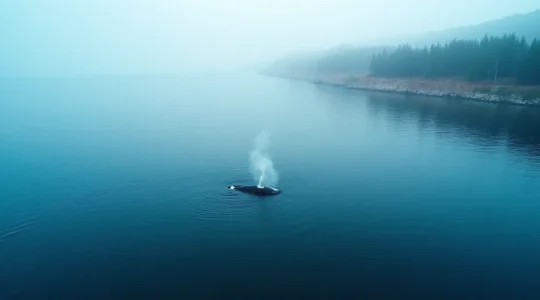
Spotting Blue Whales in the St. Lawrence: Why Are They So Hard to Find?
The immense frustration of searching for blue whales in the St. Lawrence stems from a common misconception: that finding one is a matter of luck. The reality is that successful spotting relies on a systematic approach. This guide shifts the…
Read more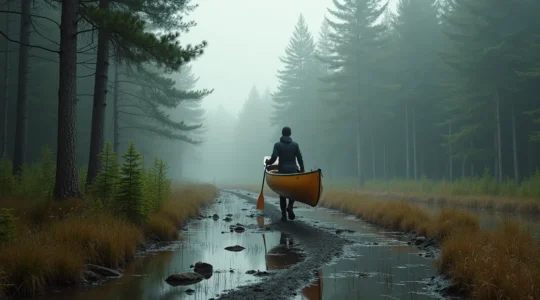
Algonquin Canoe Routes: Portaging Tips for Muddy Wetland Crossings
In summary: Choose high-ankle boots with a secure lacing system to prevent them from being sucked off in deep mud. Cross beaver dams by distributing weight on the strongest logs and never damaging the structure. Always filter wetland water, no…
Read more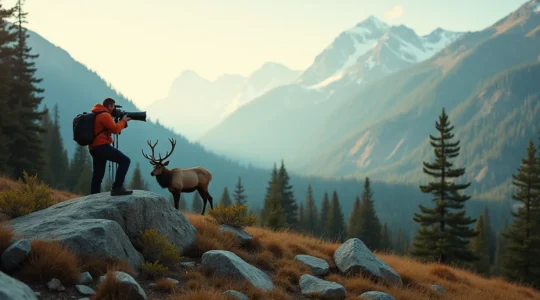
Wildlife Photography Ethics: How Close Can You Legally Get to Northern Fauna?
Contrary to common belief, ethical wildlife photography isn’t about memorizing distances; it’s about understanding the Canada National Parks Act and reading animal behaviour to prevent disturbance. Violating the Act by feeding or disturbing wildlife carries fines up to $25,000, as…
Read more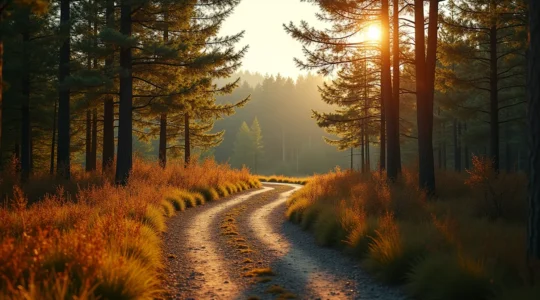
Ontario Parks Pass: Is the Seasonal Permit Worth It for Weekend Warriors?
The Ontario Parks Pass isn’t a one-size-fits-all solution; its real value depends entirely on your specific travel style and ability to navigate the reservation system. Day-use visitors typically break even after 5-6 visits, but backcountry campers and multi-car families often…
Read more
Identifying Invasive Species in BC’s Coastal Forests: A Traveler’s Guide to Ecological Stewardship
In summary: Your actions as a traveler have direct impacts on the health of BC’s coastal rainforests, from the salmon streams to the old-growth canopy. Understanding the “why” behind conservation rules—like cleaning your boots or keeping your distance from wildlife—transforms…
Read more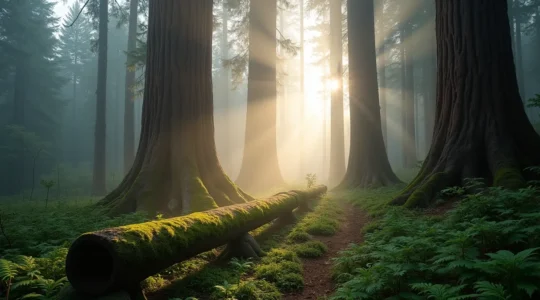
Where to See 800-Year-Old Cedars on Vancouver Island Without Crowds?
The goal isn’t just finding a less-crowded spot than Cathedral Grove; it’s about earning the experience by understanding the forest’s invisible life-support systems and visiting with the respect of a guardian. True access requires navigating active logging roads safely and…
Read more
Hiking in Tofino: Why Mist and Fog Make October the Best Time to Visit?
Forget the summer crowds and sun-drenched clichés. The conventional wisdom that Tofino’s best side is its sunny side is a myth. The true soul of this Vancouver Island sanctuary awakens in October, when the fog rolls in and the storms…
Read more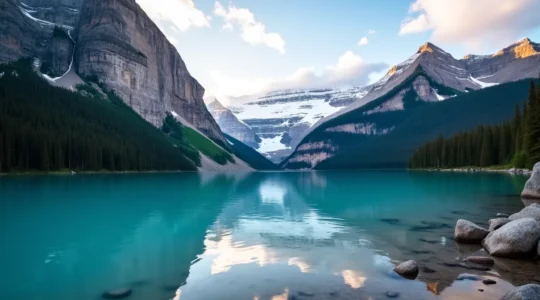
Getting to Moraine Lake: Why Private Vehicles Are Now Banned and How to Visit?
In summary: Personal vehicles are banned due to extreme traffic congestion and safety risks; shuttle or bus access is now mandatory. Your main options are the Parks Canada Shuttle, commercial bus tours (the only way to see sunrise), or the…
Read more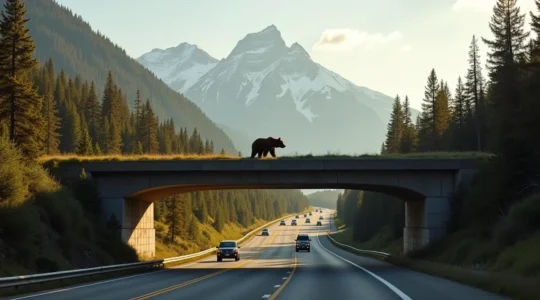
Banff or Jasper: Which National Park Is Better for Wildlife Viewing?
The best park for wildlife viewing isn’t a choice between Banff and Jasper; it’s about navigating either park with a deep understanding of animal behaviour and park ecology. Wildlife follows predictable corridors linked to food and safety; aligning your visit…
Read more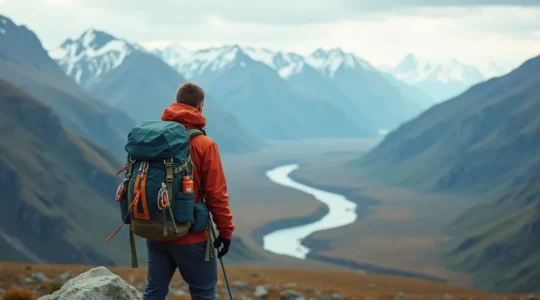
Exploring Yukon’s Wilderness: The Safety Gear You Must Pack
In summary: Standard gear lists are insufficient; the Yukon’s environment (permafrost, magnetic fields) requires specialized equipment. Safety is not just about having gear, but understanding why it’s necessary—from waste disposal on tundra to satellite device choice. Navigational tools must be…
Read more