Living Cultures
Travel has evolved beyond checking destinations off a list. Modern explorers increasingly seek meaningful connections with the places they visit, wanting to understand the living cultures that shape communities rather than simply observing them from a distance. This shift reflects a deeper desire to engage authentically with history, traditions, and people—to participate in cultural exchange rather than passive consumption.
Living cultures encompass everything from the historical sites that tell a nation’s story to the vibrant urban neighborhoods shaped by immigration, from Indigenous communities sharing their protocols and traditions to rural retreats offering respite from digital overwhelm. In Canada, this cultural richness is particularly pronounced, with diverse communities, profound Indigenous heritage, and landscapes that invite both exploration and reflection. Understanding how to engage respectfully and meaningfully with these living cultures transforms travel from entertainment into education, connection, and sometimes even healing.
What Makes Cultural Tourism Authentic?
The line between genuine cultural experiences and commercialized tourism can feel blurry. Authentic cultural engagement starts with recognizing the difference between preservation and performance—between sites and experiences that honor historical truth and those designed primarily for visitor entertainment.
Recognizing Genuine Historical Experiences
Authentic historical sites prioritize accuracy over spectacle. They present complex, sometimes uncomfortable truths rather than sanitized narratives. In Canada, sites like the Canadian Museum for Human Rights in Winnipeg or the Fortress of Louisbourg in Nova Scotia demonstrate this commitment by presenting multiple perspectives, including those historically marginalized. These venues employ historians, collaborate with descendant communities, and regularly update their interpretations based on current scholarship.
Watch for these markers of authenticity: detailed interpretive materials citing sources, acknowledgment of historical complexity and controversy, involvement of community members in storytelling, and transparent discussion of what is known versus what is assumed. Commercialized sites, by contrast, often feature costumed performers without historical context, gift shops dominating the experience, and narratives that feel overly simplified or romanticized.
Deepening Your Historical Engagement
Moving beyond surface-level tourism requires intentional effort. Consider these approaches to enhance your historical visits:
- Research before arriving to ask informed questions that staff can meaningfully answer
- Seek smaller, community-run heritage sites alongside major attractions
- Attend interpretive programs or guided tours led by experts rather than rushing through exhibits independently
- Read personal accounts, diaries, or local histories that provide intimate perspectives on historical events
- Allow sufficient time—rushing through significant sites prevents the reflection necessary for genuine understanding
The goal isn’t to become an expert but to engage with enough depth that history feels alive and relevant rather than distant and abstract.
Discovering Cultural Diversity in Urban Neighborhoods
Canada’s cities showcase extraordinary cultural diversity, shaped by immigration patterns that have created distinct neighborhoods, each with unique character, culinary traditions, and community rhythms. These urban cultural enclaves offer travelers authentic experiences if approached with curiosity and respect.
Navigating Diverse Food Scenes Respectfully
Food tourism provides delicious entry points into cultural understanding, but it requires more than simply sampling dishes. Learning basic etiquette for ordering—whether that means understanding how to order dim sum in Vancouver’s Chinatown, navigating the counter service at a roti shop in Toronto’s Little India, or knowing that sharing is customary in many Middle Eastern restaurants—shows respect and enhances your experience.
Support authentic establishments by seeking restaurants where the community itself dines, where menus may include dishes beyond the familiar “greatest hits,” and where staff might need to explain unfamiliar ingredients or preparations. This slight discomfort zone is where genuine cultural exchange happens.
Understanding Immigration History and Neighborhood Evolution
Every cultural neighborhood has a history worth understanding. Montreal’s Mile End, Toronto’s Kensington Market, Vancouver’s Commercial Drive—each reflects specific immigration waves and community-building efforts. Learning why certain communities settled in particular areas, how they’ve maintained cultural traditions while adapting to Canadian life, and how neighborhoods continue evolving provides context that transforms casual visits into meaningful experiences.
Timing visits to coincide with cultural festivals—Diwali celebrations, Lunar New Year events, Caribbean Carnival, or Greek community festivals—offers opportunities to experience cultural traditions as living practices rather than museum exhibits. These events welcome respectful visitors while serving primarily as community celebrations.
Engaging with Indigenous Tourism Respectfully
Indigenous tourism in Canada offers profound opportunities for cultural learning, but it demands particular awareness and respect. Indigenous communities are not historical artifacts but living cultures with protocols, contemporary concerns, and the right to determine how their stories are shared.
Understanding Protocols and Cultural Significance
Different Indigenous nations have different protocols. What’s appropriate in one community may not be in another. Reputable Indigenous tourism experiences will explain these protocols clearly—whether that involves understanding when photography is and isn’t appropriate, how to participate respectfully in ceremonies, or recognizing the significance of particular locations or objects.
The concept of protocol extends beyond simple rules to encompass deeper understanding of relationships—between people and land, past and present, individual and community. Quality Indigenous tourism experiences teach these relationships rather than simply displaying cultural artifacts or performances.
Distinguishing Authentic Art from Mass Production
Supporting Indigenous artists and artisans requires learning to recognize authentic Indigenous art versus mass-produced imitations. Genuine Indigenous artwork comes with information about the artist, their nation, and often the story or significance behind the piece. Many Indigenous artists are happy to discuss their work, techniques, and cultural meanings.
Organizations like the Indian Art Centre or provincial Indigenous art cooperatives help connect travelers with authentic artists. Be wary of extremely low prices, generic “Native American” labeling without specific national affiliation, or vendors unable to provide information about artists and techniques.
Contributing to Economic Reconciliation
Thoughtful Indigenous tourism supports economic reconciliation by directing resources to Indigenous communities. Choose Indigenous-owned tour companies, accommodations, and restaurants. Understand that authentic experiences often cost more than commercialized alternatives because they involve proper compensation for knowledge-sharing, smaller group sizes, and community benefit.
Avoid problematic “Indigenous-themed” experiences offered by non-Indigenous operators, which extract profit while potentially misrepresenting cultures. Authentic providers will clearly identify their Indigenous ownership and community connections.
Finding Wellness Through Cultural Disconnection
Increasingly, living cultures tourism includes seeking respite from digital saturation through rural and wilderness experiences. This approach to cultural tourism recognizes that disconnection from technology can deepen connection to place, community, and self.
The Mental Health Benefits of Silence and Nature
Research into forest bathing and nature therapy reveals measurable mental health benefits. Tree aerosols called phytoncides, released by forests, have demonstrated stress-reduction effects. Silence—increasingly rare in modern life—allows nervous system recovery and can facilitate the mindfulness practices central to many cultural traditions.
Rural tourism in Canada offers abundant opportunities for this disconnection, from remote lodges in British Columbia’s wilderness to quiet retreats in the Maritimes. The key is choosing experiences that genuinely offer solitude rather than simply relocated urban amenities in scenic settings.
Balancing Disconnection with Safety
While digital disconnection offers benefits, complete isolation carries risks. Consider these factors when planning retreats:
- Choose locations with emergency communication capabilities even if regular connectivity is limited
- Inform others of your itinerary and expected return, especially for truly remote locations
- Decide whether guided or solo experiences better suit your comfort level and wilderness skills
- Start with shorter durations to understand your response before committing to extended retreats
- Research accommodation types carefully—some offer structured programs while others provide simple solitude
Timing matters as well. Visiting during shoulder seasons often provides maximum quiet as tourist crowds diminish, though weather considerations become more important.
Supporting Cultural Preservation Through Travel
Meaningful engagement with living cultures extends beyond the visit itself to include supporting preservation and conservation efforts that protect cultural heritage for future generations.
Choosing Legitimate Conservation Support
Numerous organizations work to preserve cultural sites, traditional practices, and community heritage, but not all operate transparently. Legitimate charities provide clear information about how donations are used, maintain proper registration with relevant authorities, and demonstrate measurable outcomes from their work.
In Canada, check organizations’ status with the Canada Revenue Agency’s charity database. Look for established partnerships with communities being served, governance that includes community members, and financial transparency through publicly available annual reports.
Philanthropic Options Beyond Direct Donation
Supporting cultural preservation takes many forms beyond immediate financial contributions. Consider these approaches:
- Corporate matching programs that double your impact if your employer participates
- Volunteer tourism with reputable organizations where your skills genuinely contribute
- Legacy giving through estate planning, which can provide tax advantages while supporting long-term preservation
- Direct support through purchasing from community enterprises, where economic sustainability enables cultural continuity
- Advocacy and awareness-raising that doesn’t require financial resources but amplifies preservation efforts
Understanding tax implications helps maximize your contribution. Canadian tax rules provide incentives for charitable giving, and some donations to cultural preservation qualify for additional benefits. Consulting with tax professionals ensures you structure support effectively while remaining compliant with current regulations.
Living cultures tourism represents travel at its most meaningful—engaging with communities, histories, and traditions in ways that benefit both visitors and hosts. Whether exploring historical authenticity, experiencing urban diversity, learning from Indigenous knowledge, finding wellness in disconnection, or supporting preservation, the common thread is respect, curiosity, and the recognition that cultures are not static exhibits but dynamic, evolving communities deserving of thoughtful engagement.

Donating to Nature: How Tourists Can Support Canadian Conservation Charities
For the American visitor moved by Canada’s wilderness, effective philanthropy demands more than generosity—it requires a smart, tax-efficient strategy to navigate cross-border giving. US tax deductions for donations to Canadian charities are complex and often require Canadian-source income, but “American…
Read more
Forest Bathing in BC: How to Practice Shinrin-Yoku for Anxiety Relief?
The persistent hum of urban anxiety isn’t solved by a simple walk; it requires a deliberate, sensory dialogue with nature to truly find relief. The air in British Columbia’s old-growth forests is rich with immune-boosting compounds called phytoncides, which are…
Read more
Farm Stays in Manitoba: How to Disconnect Digitally for a Weekend?
Constantly overwhelmed by digital noise? A true digital detox on a Manitoba farm involves more than just a lack of signal; it’s an opportunity to physiologically reset your nervous system. The key is to intentionally replace digital stimulation with the…
Read more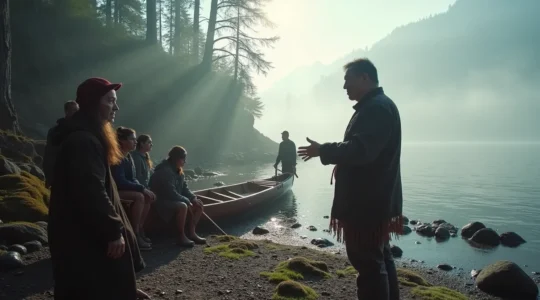
How to Engage in Ethical Indigenous Tourism in British Columbia: A Guide to Meaningful Travel
In summary: Move beyond surface-level respect; practice true reciprocity by understanding yourself as a guest on unceded lands. Verify authenticity when purchasing art by asking about the artist, Nation, and the story behind the piece. Choose your experience—a lively Pow…
Read more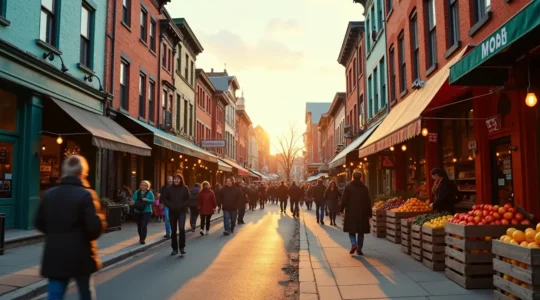
Dining in Toronto: How to Read Kensington Market’s Food Scene Like a Local
Don’t let Kensington Market’s vibrant chaos intimidate you. The key to exploring it like a local isn’t just knowing what to eat, but learning how to read it. This guide reframes the market from a confusing collection of stalls into…
Read more
How to Find Authentic Heritage Sites in Quebec City—Away From the Tourist Traps
The key to an authentic trip to Quebec City isn’t a secret list of places, but a new way of seeing. Most “hidden gems” are just less-crowded tourist spots. True authenticity lies in understanding the complex history behind even the…
Read more