Inspiring Cities
Canadian cities possess a remarkable ability to inspire, blending centuries-old heritage with bold contemporary vision. From cobblestone streets that whisper stories of early settlers to glass-tower skylines that pierce the clouds, these urban destinations offer layers of discovery that reward both casual visitors and dedicated explorers. What elevates a city from merely functional to genuinely inspiring isn’t a single landmark or attraction—it’s the interplay between history and innovation, culture and nature, planning and spontaneity.
Understanding what makes cities inspiring requires looking beyond the obvious tourist highlights. It means appreciating how historic districts have been revitalized without losing their soul, recognizing the architectural decisions that shape skylines, knowing when to experience neighborhoods in daylight versus after dark, and discovering the regional treasures that lie just beyond city limits. This comprehensive exploration will equip you with the perspective needed to experience urban destinations more deeply, whether you’re wandering through Montreal’s old port, gazing at Toronto’s evolving skyline, or timing your visit to Vancouver’s summer festivals.
Historic Districts: Where Urban Stories Come to Life
The most inspiring cities understand that their past is not something to demolish, but rather a foundation upon which to build character. Historic districts across Canada demonstrate this principle beautifully, transforming once-neglected neighborhoods into vibrant cultural anchors that attract both residents and visitors.
The Art of Walking Through Time
Exploring urban history on foot remains the most intimate way to connect with a city’s evolution. Unlike bus tours that skim the surface, walking allows you to notice the architectural details that reveal a building’s era—the cast-iron facades from the industrial boom, the art deco flourishes of the interwar period, or the brutalist concrete of mid-century modernism. In Quebec City’s Lower Town or Halifax’s Historic Properties, every block tells a chapter of the larger urban narrative.
Comfort matters significantly for these explorations. Well-cushioned walking shoes aren’t merely recommended—they’re essential for covering the five to eight kilometers that a thorough historic district tour typically involves. The uneven cobblestones and brick sidewalks that add charm to these neighborhoods can punish unprepared feet. Equally important is timing: morning walks offer softer light for photography and fewer crowds, while late afternoon provides the warmth of golden hour illuminating heritage facades.
Economic Revitalization and Community Impact
Behind the picturesque streetscapes lies a fascinating economic transformation. Historic districts that thrived decades ago as commercial centers often fell into decline as businesses moved to suburbs, leaving empty storefronts and deteriorating buildings. The revitalization process—converting warehouses into loft apartments, transforming old banks into restaurants, and reimagining industrial spaces as creative hubs—requires substantial investment but generates remarkable returns in property values, tourism revenue, and local employment.
Cities like Kingston, Ontario, and Victoria, British Columbia, have demonstrated how strategic heritage preservation creates sustainable economic engines. The key lies in balancing authenticity with functionality: maintaining historic exteriors while updating interiors for modern uses, encouraging independent businesses rather than chain stores, and ensuring that rising property values don’t displace long-time residents and community institutions.
Modern Architecture and Evolving Skylines
While historic districts anchor cities in their past, contemporary architecture propels them into the future. Canadian city skylines have undergone dramatic transformations in recent decades, with new towers reshaping not just the visual landscape but the very identity of urban centers.
Understanding Urban Development and Zoning
The evolution of skylines doesn’t happen by accident—it’s the product of complex zoning regulations, density policies, and urban planning philosophies that determine what gets built where. Vancouver’s decision to concentrate density in specific corridors while protecting view corridors to the mountains created its distinctive skyline. Toronto’s continual vertical expansion reflects Ontario’s provincial growth plan encouraging intensification rather than sprawl.
Understanding these policies helps visitors appreciate why certain neighborhoods feature clusters of towers while others remain low-rise. It also explains controversial decisions: when a beloved view gets blocked or a heritage building faces demolition for a condo tower, it’s often the result of zoning permissions granted years earlier based on policy priorities that balanced competing interests.
Finding the Best Vantage Points
Appreciating modern architecture requires finding the right perspectives. While observation decks in towers like the CN Tower offer spectacular panoramic views, they’re not always the most revealing vantage points for understanding a skyline’s composition. Ferry rides—such as the Toronto Islands ferry or the SeaBus crossing Vancouver’s harbor—provide dynamic viewing experiences where the skyline unfolds gradually, revealing how buildings relate to one another and to the waterfront.
Ground-level exploration matters equally. Walking beneath towers allows you to appreciate architectural details impossible to see from afar: the quality of materials at street level, the integration of public art, the transparency of lobbies, and how buildings address the sidewalk. The difference between an inspiring tower and a deadening one often lies in these first six meters of height.
Architectural Tours: Choosing Your Focus
Guided architectural tours range from comprehensive overviews to specialized deep dives focusing on specific periods, architects, or building types. General tours provide context and highlight landmark buildings, making them ideal for first-time visitors. Specialized tours—perhaps focusing on modernist masters or sustainable design innovations—reward repeat visitors and architecture enthusiasts with deeper insights.
Self-guided exploration offers flexibility but requires preparation. Many cities now provide architectural walking tour apps or downloadable maps identifying significant buildings with historical context. The advantage is setting your own pace and lingering where interest strikes; the disadvantage is missing the expert commentary that reveals hidden stories and design decisions not obvious to untrained eyes.
The Day-Night Rhythm of Urban Exploration
Cities fundamentally transform between day and night, revealing different personalities that can make the same street feel like two distinct places. Daytime exploration emphasizes architectural details, window shopping, and people-watching in cafes. The natural light allows you to appreciate building materials, read historical plaques, and navigate with ease. Parks and public spaces thrive with activity, markets operate, and most museums and galleries keep their doors open.
Nighttime unlocks different magic. Architectural lighting transforms skylines into glowing compositions, with towers like Montreal’s Place Ville Marie or Calgary’s Bow Tower becoming luminous landmarks. Neighborhoods known for dining and entertainment—Toronto’s King West, Vancouver’s Gastown, or Ottawa’s ByWard Market—pulse with energy impossible to experience during business hours. The color temperature shift from natural to artificial light creates moods ranging from intimate to dramatic, while reduced vehicle traffic in some areas makes certain streets more pleasant for evening strolls.
The decision between day and night visits often depends on your priorities. Photography enthusiasts might choose the blue hour just after sunset, when some ambient daylight remains but city lights have activated. Food lovers gravitate toward evening when restaurant patios fill and street food vendors emerge. Those interested in architecture and history typically prefer daylight for visibility and access to interiors, though some architectural tours specifically showcase illuminated buildings.
Urban Festivals: Culture, Crowds, and Community
Large-scale festivals represent cities at their most exuberant, transforming public spaces into celebration grounds that showcase local culture, attract international artists, and create the collective experiences that become cherished memories. From Montreal’s International Jazz Festival to Edmonton’s Fringe Theatre Festival, these events define summer in Canadian cities.
Navigating Festivals on a Budget
The beauty of major urban festivals lies in their accessibility—many offer substantial free programming alongside ticketed performances. Montreal’s Jazz Festival presents hundreds of free outdoor concerts on multiple stages, making it possible to experience world-class performances without spending beyond transportation and meals. Similarly, Toronto’s Pride Festival features extensive free events, though prime viewing spots for the parade require early arrival.
Budget-conscious festival-goers maximize value by researching schedules in advance, identifying must-see free performances, and bringing reusable water bottles and snacks to avoid inflated festival food prices. Many festivals offer day passes or multi-show packages that reduce per-event costs for those planning to attend multiple performances. The key is distinguishing between the ticketed headline acts and the often-excellent free programming that constitutes the festival’s soul.
Managing Crowds and Preserving Personal Space
Popular festivals can draw hundreds of thousands of attendees, creating crowd densities that range from energizing to overwhelming. Understanding crowd patterns helps preserve enjoyment: arriving early for popular performances secures better positions with more personal space, while exploring lesser-known stages often reveals exceptional talent with fraction of the audience.
Peak crowding typically occurs during headline evening performances and weekend afternoons. Those sensitive to crowding might prefer weekday attendance, daytime events, or positioning themselves toward crowd peripheries where density naturally decreases. Indoor venues offer controlled capacity but require advance tickets for popular shows, while outdoor stages provide flexibility to arrive and depart freely at the cost of less predictable crowding.
Venue Choices and Health Considerations
The choice between indoor and outdoor festival venues involves tradeoffs beyond weather protection. Outdoor stages provide superior ventilation, natural crowd dispersal, and the ability to move freely—advantages that became particularly valued in recent times. They also offer the unique atmosphere of experiencing music or performance against city skylines as backdrops. However, outdoor venues expose attendees to weather variables and typically offer less sophisticated acoustics.
Indoor venues deliver superior sound quality but concentrate sound energy in ways that pose genuine risks. Music festivals and concerts in enclosed spaces can reach 100-110 decibels—levels that cause hearing damage with sustained exposure. Experienced festival-goers carry high-fidelity earplugs that reduce volume while preserving sound quality, protecting hearing without diminishing enjoyment. Positioning away from speaker stacks and taking periodic breaks in quieter areas further reduces risk during multi-day festivals.
Safety and Smart Timing in Popular Destinations
Tourist-heavy zones in inspiring cities generally maintain strong safety records due to high police presence and constant foot traffic, yet they present specific challenges worth understanding. The concentration of visitors creates opportunities for pickpockets and scam artists who target distracted tourists. Standard precautions—securing bags, avoiding phone use while walking, and maintaining awareness of surroundings—matter more in crowded tourist areas than in typical residential neighborhoods.
The most significant timing consideration for Canadian coastal cities involves cruise ship arrivals. When multiple large vessels dock simultaneously in Victoria, Vancouver, or Halifax, several thousand passengers flood popular attractions within concentrated timeframes, typically mid-morning through late afternoon. Restaurants fill, tour buses clog streets, and attractions experience their longest wait times. Locals and informed visitors adjust by scheduling museum visits for early morning or late afternoon, avoiding waterfront areas during peak cruise hours, and making restaurant reservations or visiting during shoulder periods.
Checking cruise ship schedules—publicly available online for most ports—allows strategic planning. Days without ships or with just one smaller vessel offer dramatically different experiences at popular sites. This knowledge transforms your visit from fighting crowds to exploring in relative tranquility, accessing the same attractions with minimal waiting and maximum enjoyment.
Beyond City Limits: Regional Attractions Worth the Journey
Inspiring cities serve as gateways to remarkable regional experiences that complement urban exploration. The Niagara region, accessible from Toronto, exemplifies this perfectly—while the falls themselves draw millions annually, the surrounding area offers wine country cycling, theatrical performances, and microclimates that create world-class growing conditions.
Exploring Beyond the Main Attraction
The tourist infrastructure surrounding major natural attractions like Niagara Falls can feel overwhelming, with commercial development that sometimes obscures rather than enhances the natural wonder. Moving beyond the immediate falls area reveals quieter parklands, historic sites like Queenston Heights, and charming towns such as Niagara-on-the-Lake that offer heritage architecture, acclaimed restaurants, and Shaw Festival theatre productions.
This pattern repeats across Canada: while the main attraction justifies the journey, the surrounding region often delivers the most memorable experiences. Banff townsite bustles with tourists, but nearby Lake Louise trails and lesser-known valleys provide solitude. Victoria’s Inner Harbour throngs with visitors, yet nearby Saanich Peninsula wineries and coastal parks remain relatively peaceful.
Wine Country Logistics and Timing
Cycling through wine country—whether Ontario’s Niagara Peninsula, British Columbia’s Okanagan Valley, or Nova Scotia’s Annapolis Valley—combines physical activity with tastings in ways that enhance both. The moderate exercise between wineries provides time to process tastings, enjoy scenery, and work up appetite for the excellent restaurants common in wine regions. E-bikes have transformed this experience, making hilly terrain accessible to casual cyclists.
Logistics require planning: most wineries operate limited hours, with spring and fall offering fewer crowds than peak summer. Booking one or two specific tastings or lunches in advance provides structure while leaving flexibility for spontaneous stops. Understanding the microclimate—how the Niagara Escarpment moderates temperatures, or how Okanagan Lake influences nearby vineyards—adds depth to tastings and appreciation for terroir.
Traffic congestion plagues popular wine regions during summer weekends and harvest season. Weekday visits or shoulder season trips (late spring or early fall) offer better road conditions, easier winery access, and often more relaxed, personal service from tasting room staff less overwhelmed by crowds. Avoiding tourist traps means researching beyond the largest, most-advertised wineries to discover family operations and emerging producers where passion outweighs marketing budgets.
Canadian cities inspire not through any single element, but through the rich layering of history and innovation, culture and nature, careful planning and serendipitous discovery. Whether you’re drawn to cobblestone charm, architectural ambition, festival energy, or regional excursions, approaching these destinations with curiosity and informed perspective transforms casual visits into meaningful experiences that linger long after you’ve returned home.
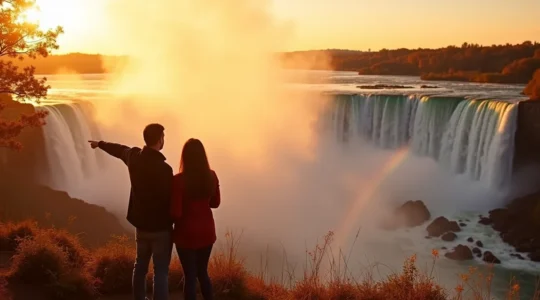
Niagara-on-the-Lake vs. Niagara Falls: Which Base Is Better for Couples?
The perfect Niagara romantic getaway isn’t about choosing between Niagara-on-the-Lake and Niagara Falls—it’s about strategically blending both. Base yourselves in the serene, romantic atmosphere of Niagara-on-the-Lake for charm and world-class wineries. Plan a curated day trip to Niagara Falls to…
Read more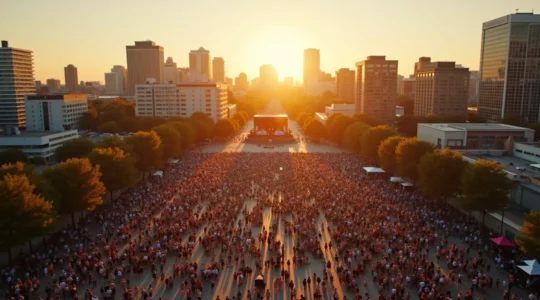
Montreal International Jazz Festival: How to See the Best Shows for Free?
In summary: Treat the festival not as a venue, but as a complex urban ecosystem you can learn to master. Strategic navigation of crowds and transit is more important than arriving hours early. Choose your listening spot based on “acoustic…
Read more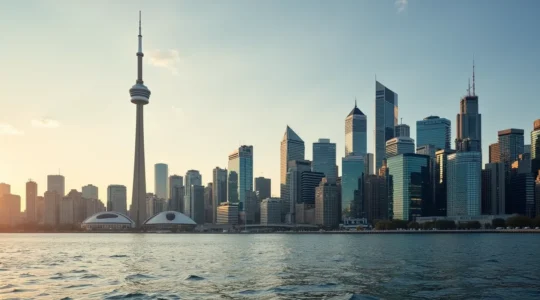
Why Has Toronto’s Skyline Changed So Drastically in the Last 10 Years?
Toronto’s skyline transformation is not just a condo boom; it is the physical result of a deliberate, often contentious, urban planning strategy that prioritized rapid densification over holistic community design. The city adapted—and often diluted—the “Vancouverism” model of tower-podium living…
Read more
Old Montreal vs. Distillery District: Which Historic Quarter Fits Your Vibe?
Choosing between Old Montreal and the Distillery District is about more than just architecture; it’s about matching a place to your personality. Old Montreal offers an immersive, European-style historical wander for those who love spontaneous discovery. The Distillery District provides…
Read more