
In summary:
- Move beyond surface-level respect; practice true reciprocity by understanding yourself as a guest on unceded lands.
- Verify authenticity when purchasing art by asking about the artist, Nation, and the story behind the piece.
- Choose your experience—a lively Pow Wow or a structured Interpretive Centre—based on your family’s learning style.
- Seek consent before taking any photographs of people or regalia, and prioritize listening to stories over capturing images.
- Ensure your tourism dollars contribute to economic reconciliation by supporting businesses with clear community ties and benefits.
As a socially conscious traveler, you want your journey through British Columbia to be more than just a vacation. You want to connect with the deep, vibrant Indigenous cultures that have stewarded these lands for millennia and ensure your visit is supportive, not extractive. Many guides will offer simple advice: “buy authentic art” or “be respectful.” While well-intentioned, this approach often misses the heart of the matter. It treats ethical engagement as a transactional checklist rather than what it truly is: the beginning of a relationship.
The desire to do the right thing is the perfect starting point. However, true respect requires moving beyond generic actions. It involves a fundamental shift in perspective—from seeing yourself as a consumer of experiences to understanding your role as a guest on unceded ancestral lands. It’s about learning not just to look, but to listen; not just to take, but to give back; not just to visit, but to connect. This is the practice of reciprocity, a core value in many Indigenous worldviews that transforms a simple trip into a meaningful exchange.
This guide is designed to help you make that shift. We will explore the practical steps and, more importantly, the underlying principles that define truly ethical Indigenous tourism. From understanding the significance of a land acknowledgment to deciphering the stories in a carving and learning to read the forest as a living archive, you will gain the tools to engage with intention, respect, and a spirit of genuine partnership. This journey is about fostering reconciliation, one respectful interaction at a time.
This article provides a comprehensive framework for engaging respectfully with Indigenous communities in British Columbia. Below, you will find a detailed exploration of key topics to guide your journey from a conscious traveler to a welcome guest.
Summary: A Guide to Meaningful Indigenous Tourism in BC
- Why Is Land Acknowledgment Important Before Tours in Canada?
- How to Distinguish Authentic Inuit Soapstone Carvings from Cheap Fakes?
- Pow Wow vs. Interpretive Centre: Which Experience is Right for Families?
- The Photography Taboo: When Is It Disrespectful to Take Photos of Regalia?
- Investing in Indigenous Economies: How Your Tourism Dollars Create Impact
- The Revisionist History Trap: What Many Tour Guides Get Wrong About New France
- How Do Scientists Date Living Trees Without Cutting Them Down?
- Forest Bathing in BC: How to Practice Shinrin-Yoku for Anxiety Relief?
Why Is Land Acknowledgment Important Before Tours in Canada?
A land acknowledgment is not a mere formality or a politically correct script. It is the foundational act of respect in the guest-host relationship. When you begin a tour or enter a space with an acknowledgment, you are consciously positioning yourself as a guest on lands that have been inhabited and stewarded by specific First Nations since time immemorial. It is a verbal recognition of a political and historical reality: that you are on unceded, traditional, and ancestral territories. This simple act challenges the colonial myth of “terra nullius” (empty land) and signals your intention to engage with awareness and humility.
For a traveler, offering a meaningful acknowledgment—even a personal, silent one—shifts your entire experience from extractive to reciprocal. It frames the landscape not as a backdrop for your adventure, but as a living entity with a deep history and a continuing story. It reminds you that the mountains, rivers, and forests are home to cultures, languages, and legal systems that predate the formation of Canada. In the context of Truth and Reconciliation, a land acknowledgment is a small but vital step. It opens the door to deeper listening and learning, setting a tone of respect that should carry through every interaction on your journey.
To be effective, an acknowledgment must be specific and informed. It’s not enough to say “Indigenous land”; it is crucial to name the specific Nation or Nations whose territory you are on, such as the xʷməθkʷəy̓əm (Musqueam), Sḵwx̱wú7mesh (Squamish), and səlilwətaɬ (Tsleil-Waututh) peoples in the area now called Vancouver. This specificity shows you have done the first, most basic work of being a good guest: you’ve learned the name of your host.
Your Action Plan: Creating a Meaningful Land Acknowledgment in BC
- Research: Use resources like Native-Land.ca or local First Nations’ websites to identify the specific unceded territory you are visiting and the Nation(s) it belongs to.
- Pronunciation: Learn the correct pronunciation of Nation names. The First Peoples’ Cultural Council website is an excellent resource for pronunciation guides.
- Understand Terminology: Move beyond scripted statements by grasping the distinction between ‘traditional’, ‘ancestral’, and ‘unceded’ territories to use the most accurate terms.
- Personalize Your Commitment: Connect your acknowledgment to a personal commitment. Recognize yourself as a guest and commit to shifting your mindset from extractive to reciprocal tourism.
- Follow Through: Ensure your acknowledgment is followed by concrete actions, such as supporting Indigenous-owned businesses, contributing to land-back initiatives, or purchasing from authentic Indigenous artisans.
How to Distinguish Authentic Inuit Soapstone Carvings from Cheap Fakes?
While the question specifically mentions Inuit soapstone, the underlying principle is crucial for any traveler in British Columbia wanting to purchase authentic First Nations art, whether it’s a Haida argillite carving, a Coast Salish print, or a cedar mask. The key is to shift your focus from “what” the object is to “who” created it and “what story” it tells. In BC, unlike the federal “Igloo Tag” system for Inuit art, there is no government-mandated certification. This places the responsibility on you, the buyer, to practice due diligence and engage in a way that honours the artist and their culture.
Fake or “knock-off” art is not just a matter of poor quality; it is an act of cultural theft. These mass-produced items, often made overseas, appropriate sacred symbols and designs, divorcing them from their meaning and robbing Indigenous artists of their livelihood. An authentic piece, by contrast, is a vessel of knowledge, lineage, and connection to the land. Its value lies not just in its beauty, but in the cultural agency of the artist who created it.
The Bill Reid Gallery in Vancouver sets a powerful standard. It educates visitors to move beyond seeing art as a souvenir. There, you learn about provenance, artist signatures, and the deep significance of clan crests. This approach teaches you to ask meaningful questions: “Can you tell me about the artist and their Nation?” or “What story does this piece tell?” A reputable gallery or artist will always be happy to share this information. If a vendor is vague, defensive, or cannot tell you the artist’s name, that is a major red flag.

By asking these questions, you are doing more than verifying authenticity; you are building a relationship. You are showing respect for the artist’s intellectual property and cultural heritage. You are investing in a person, a family, and a community, ensuring that these ancient traditions continue to thrive. Your purchase becomes an act of economic reconciliation, not just a transaction.
Pow Wow vs. Interpretive Centre: Which Experience is Right for Families?
Choosing an Indigenous tourism experience for your family is an exciting step. In British Columbia, two of the most common and enriching options are attending a community Pow Wow and visiting an Indigenous-led Interpretive Centre. While both offer profound opportunities for learning, they provide very different environments and suit different family dynamics and learning styles. Understanding this distinction is key to ensuring your family has a positive, respectful, and memorable experience.
A Pow Wow is a living, breathing celebration of culture. It is a social gathering where Nations come together to sing, dance, and honour their traditions. The atmosphere is vibrant, high-energy, and largely unscripted. For families, it offers an immersive experience in community and celebration. You will witness breathtaking dancing, hear powerful drum groups, and feel the collective spirit of the event. However, it requires a degree of self-guidance. Protocols are paramount—such as standing for the Grand Entry and never touching a dancer’s regalia—and must be followed closely. The dynamic energy can be overwhelming for very young children.
An Interpretive Centre, like the Squamish Lil’wat Cultural Centre in Whistler, offers a more structured and guided educational experience. These centres are designed to be welcoming spaces for learning, often featuring interactive exhibits, guided tours by Cultural Ambassadors, and hands-on workshops. For families with younger children or those new to Indigenous cultures, this can be an ideal environment. The experience is paced, questions are encouraged, and the content is specifically tailored to educate visitors. The Squamish Lil’wat Cultural Centre, for example, excels with family programs that include storytelling sessions and traditional craft activities, providing a deep yet accessible cultural exchange.
This table, based on information from Indigenous Tourism BC, helps compare the experiences to find the right fit for your family.
| Aspect | Community Pow Wow (e.g., Kamloops) | Interpretive Centre (e.g., Squamish Lil’wat) |
|---|---|---|
| Environment | Living celebration, high energy, outdoor | Structured educational space, indoor |
| Learning Style | Immersive observation, community participation | Guided tours, interactive exhibits |
| Protocol Requirements | Stand for Grand Entry, don’t touch regalia, follow MC instructions | Listen to Elders, ask thoughtful questions |
| Best Age Range | 8+ years (able to follow protocols) | All ages with dedicated children’s programs |
| Duration | Full day event, come and go | 1-2 hour structured visit |
| Third Option | Hands-on workshops (drum-making, cedar weaving) combine participation with structured learning | |
The Photography Taboo: When Is It Disrespectful to Take Photos of Regalia?
In our visually-driven world, the instinct to capture a beautiful moment with a camera is strong. When witnessing the stunning intricacy of a dancer’s regalia at a Pow Wow or ceremony, that instinct can be overwhelming. However, this is a critical moment where a conscious traveler must pause and shift from a consumer mindset to one of respect and consent. The question is not “Can I take a photo?” but rather “Should I?” And the answer almost always begins with seeking permission.
Regalia are not “costumes.” They are deeply sacred items, often with elements passed down through generations. They are imbued with spirit, family history, and ancestral stories. Some pieces are reserved for specific ceremonies and are not meant to be photographed at all. Taking a photo without permission is not just rude; it can be a profound violation. It treats a sacred object as a mere aesthetic for consumption and disregards the cultural agency of the person wearing it. As the Indigenous Tourism BC Cultural Protocol Guide states, this is a matter of decolonization.
Regalia items are sacred objects, imbued with spirit and the stories of ancestors, not just beautiful outfits. The act of asking for consent today is a direct act of decolonization and restoring agency.
– Indigenous Tourism BC, Indigenous Tourism BC Cultural Protocol Guide
The best practice is to put your camera or phone away, especially during ceremonies, prayers, or any moment a Pow Wow announcer asks you to. If you are in a situation where photography might be appropriate, such as after a dance or during a designated photo opportunity, always ask the individual for their explicit consent first. If they say no, accept it graciously and without question. A better approach is to reframe your desire entirely. Instead of seeking to capture an image, seek to understand the story. Asking, “Your regalia is incredible, would you be willing to tell me about a piece that is special to you?” opens the door for a genuine human connection. This exchange is infinitely more valuable than any photograph you could ever take.
Investing in Indigenous Economies: How Your Tourism Dollars Create Impact
Choosing to book with an Indigenous-owned tour company, stay at an Indigenous-owned lodge, or dine at an Indigenous-owned restaurant is one of the most direct and powerful ways to practice ethical tourism. This is not simply “support”; it is an act of economic reconciliation. For centuries, colonial systems have extracted resources and wealth from Indigenous lands. By consciously directing your tourism dollars to Indigenous-owned and -led enterprises, you are participating in a modern movement to build sustainable, self-determined economies rooted in cultural values and community well-being.
The impact of your spending goes far beyond a simple wage. It creates a powerful multiplier effect that reverberates throughout the community. A successful Indigenous tourism business creates local jobs, provides training and mentorship for youth, and fosters pride in cultural identity. Furthermore, many of these businesses are structured as social enterprises, where a significant portion of their revenue is reinvested directly into essential community programs. This can include language revitalization initiatives, Guardian Watchmen programs that monitor and protect territorial lands, and funding for legal challenges to defend ancestral rights and resources.
Case Study: The Spirit Bear Lodge Economic Impact Model
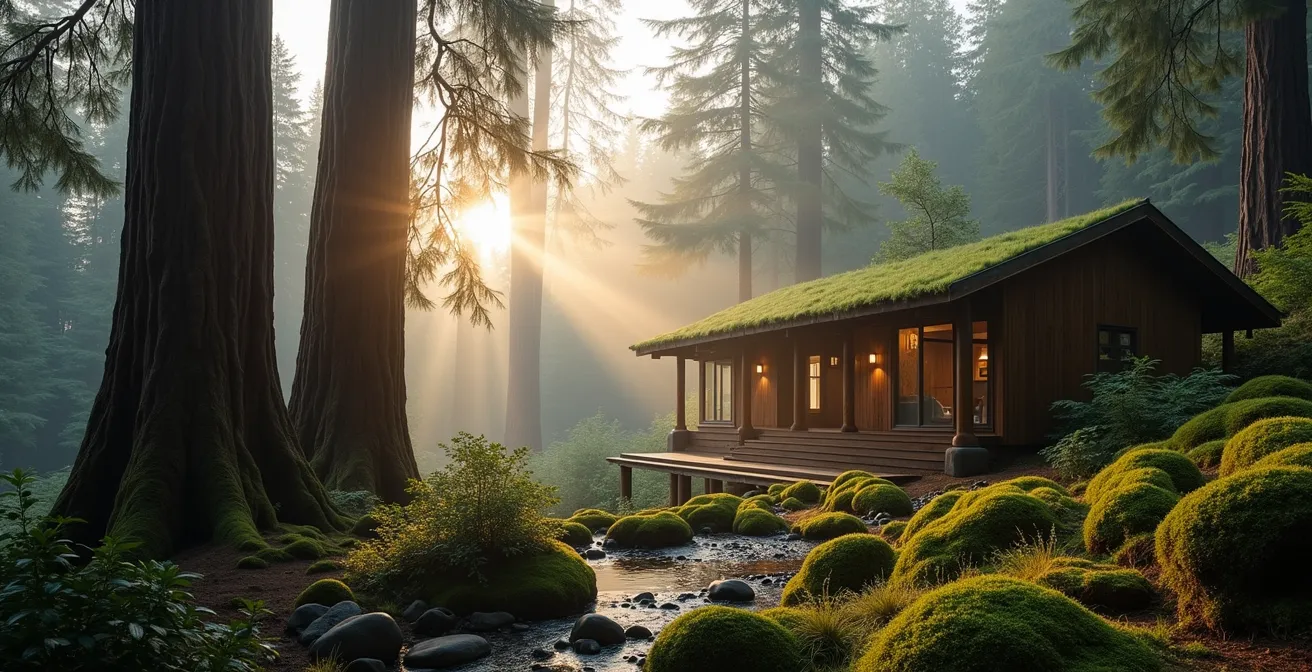
Spirit Bear Lodge in the Great Bear Rainforest, owned by the Kitasoo/Xai’xais Nation, is a prime example of this model. Tourist dollars directly fund Guardian Watchmen programs protecting territorial lands, Kitasoo/Xai’xais language revitalization initiatives, youth employment and cultural education programs, and legal challenges to protect old-growth forests. The lodge employs over 30 community members directly and supports additional families through procurement of local foods, crafts, and services. This demonstrates how tourism revenue extends beyond wages to fund holistic cultural preservation and environmental stewardship.
As a traveler, it’s important to do your homework. Not all businesses that use Indigenous branding are authentically Indigenous-led or provide direct community benefit. Before you book, ask critical vetting questions. According to sources like Destination BC, you can inquire: “What percentage of your management and staff are from the local First Nation?” or “Does a portion of your revenue go directly to a community trust or specific programs?” A truly community-integrated business will be proud to share this information with you.
The Revisionist History Trap: What Many Tour Guides Get Wrong About New France
While New France is geographically centered in Eastern Canada, the historical revisionism it often represents is a nationwide issue in tourism and a crucial lesson for any traveler in British Columbia. Mainstream historical tours frequently begin the story of Canada with the arrival of European explorers, presenting a narrative that either ignores or minimizes the millennia of civilization that came before. This “discovery” myth effectively erases Indigenous peoples from their own history, relegating them to a passive, pre-contact past.
In British Columbia, this erasure is particularly egregious. The historical timeline here doesn’t begin with Captain Cook or Simon Fraser; it is one of the longest records of continuous human habitation in North America. For instance, archaeological evidence proves that a 14,000-year-old settlement existed on Triquet Island, in Heiltsuk territory. This is not ancient history; it is the living heritage of the Nations who host you today. An ethical tour guide in BC will not just acknowledge this fact but will centre their narrative around it.
As a conscious traveler, you must be a critical listener. Be aware of the red flags of a colonial narrative, which are just as common in BC as they are in tours about New France. These warning signs include:
- Praising colonial figures like James Douglas without acknowledging the devastating impacts of their policies on First Nations.
- Using the past tense when referring to Indigenous peoples (e.g., “The Salish people used to fish here”), implying they no longer exist or practice their culture.
- Glossing over or completely ignoring the specific, local history of Residential Schools and their intergenerational trauma.
- Presenting a narrative that the land was “wild,” “untamed,” or “empty” before European settlement.
- Dismissing a Nation’s oral history as “myths and legends” while presenting written colonial records as infallible fact.
Choosing an Indigenous-led tour is the best way to ensure you are getting an authentic, unfiltered history from the people whose story it is. They will share a narrative that is richer, more complex, and infinitely more accurate.
How Do Scientists Date Living Trees Without Cutting Them Down?
The ancient forests of British Columbia are more than just breathtaking natural scenery; they are a living archive of both natural and human history. Scientists have developed a method called dendrochronology to read this archive without harming the trees. By extracting a thin, pencil-sized core sample from a tree’s trunk, they can analyze its growth rings. Each ring represents a year, and its width tells a story about the climate and conditions of that year—a wet year produces a wide ring, a dry year a narrow one. This allows them to date the tree and reconstruct past climate patterns with remarkable accuracy.
However, in BC, this Western scientific method finds its most profound application when it intersects with Indigenous knowledge. Here, dendrochronology is used to date what are known as Culturally Modified Trees (CMTs). These are ancient trees, often cedars, that bear the marks of traditional use by First Nations. These are not scars of damage, but signs of a sustainable, reciprocal relationship with the forest.
For example, a scientist can date the exact year a strip of bark was harvested from a cedar tree. But it is Nuxalk or Heiltsuk oral history that explains *why* it was harvested—perhaps for weaving a robe, constructing part of a longhouse, or making a cradle. A CMT with a test hole for wood quality might mark the beginning of a canoe-building process that is detailed in a family’s stories. Some CMTs in BC have been dated to over 800 years old, serving as tangible, living proof of a Nation’s continuous presence and use of its territory. For Indigenous guides, these forests are libraries. They read the CMTs, ancient trails, and medicinal plant locations to tell stories of their ancestors that span millennia, bringing the living archive to life for visitors.
Key Takeaways
- Acknowledge with Intent: Your journey begins by recognizing you are a guest on specific, unceded First Nations territories.
- Verify Authenticity: Support artists, not appropriators. Ask about the artist, their Nation, and the story behind any art you purchase.
- Listen First: Prioritize listening over capturing. Ask for consent for photos, but value a shared story more than a snapshot.
- Invest in Reconciliation: Choose Indigenous-owned businesses where your tourism dollars directly support community well-being and cultural revitalization.
- Connect with the Land: See the forest not just as scenery, but as a living archive and a relative, a place for reciprocal connection.
Forest Bathing in BC: How to Practice Shinrin-Yoku for Anxiety Relief?
In recent years, the Japanese practice of Shinrin-yoku, or “forest bathing,” has gained global popularity as a powerful antidote to modern anxiety. It is the simple, mindful practice of immersing yourself in nature and absorbing the forest atmosphere through all five senses. It is not about hiking or exercise; it is about slowing down, being present, and allowing the forest to heal. In the ancient, temperate rainforests of British Columbia, the setting for this practice is unparalleled.
The method is simple: find a spot in the woods, turn off your phone, and begin to notice. What do you see in the fractal patterns of the ferns? What do you hear in the rustle of cedar boughs? What do you feel in the cool, mossy air on your skin? By intentionally slowing down and observing, you quiet the analytical part of your brain and activate a sense of calm, wonder, and connection. This practice is scientifically proven to lower stress hormones, reduce blood pressure, and improve mood.
However, when practiced on Indigenous territory in BC, Shinrin-yoku can become more than just a personal wellness exercise. It can be an act of reciprocity. It aligns perfectly with the Indigenous worldview that humans are not separate from nature, but are part of a vast, interconnected system of relationships. By treating the forest with quiet reverence and opening yourself to a sensory connection, you are engaging with the land as a relative, not a resource. It is a profound departure from the typical tourist mindset of “conquering” a trail or “capturing” a view.
This philosophy of unity is beautifully expressed by Paula Amos, a leader in Canadian Indigenous tourism, in an interview with National Geographic.
Everything is one; all is interconnected. The universe is an integrated whole, and all living things, including humans, plants, and animals, are connected. It emphasizes the importance of respecting this interconnectedness and caring for the natural world as part of a larger unified system.
– Paula Amos, National Geographic – Indigenous Tourism in Canada
By embracing this deeper, more relational approach, you do more than just see British Columbia; you begin to understand it. Your journey becomes a meaningful contribution to cultural revitalization and economic reconciliation. To put these principles into practice, start by researching the Indigenous-owned experiences and businesses in the regions you plan to visit.
Frequently Asked Questions About Ethical Indigenous Tourism in BC
Why are old-growth forests considered sacred by BC First Nations?
Old-growth forests like those in the territory of the Pacheedaht First Nation are non-renewable cultural and spiritual resources. They contain centuries of Indigenous history, including culturally modified trees, sacred sites, and a biodiversity that provides traditional medicines and materials. They are living links to ancestors and a vital part of cultural identity.
How can tourists support old-growth protection?
Tourists can support old-growth protection by choosing Indigenous-led tours that actively advocate for forest conservation. You can also support First Nations’ land-back initiatives and land stewardship programs. Most importantly, help educate others about the immense cultural significance of these forests, which extends far beyond their timber value.
What makes a tree culturally modified?
A Culturally Modified Tree (CMT) is a tree that shows physical evidence of traditional use by Indigenous peoples. This can include bark that was sustainably stripped for weaving or building, test holes drilled to check wood quality for a canoe, or blazes cut to mark an ancestral trail. These modifications represent sustainable forest practices developed over millennia and serve as a living record of land use.