Adventures & Challenges
Canada’s vast wilderness presents some of North America’s most rewarding outdoor adventures, from the towering peaks of the Rockies to the rushing rivers of British Columbia and the remote backcountry trails of the Yukon. These experiences offer unparalleled opportunities to connect with nature, but they also demand respect, preparation, and a thorough understanding of the challenges you’ll face. Whether you’re planning your first multi-day trek or advancing to technical mountain pursuits, knowing what lies ahead transforms uncertainty into confidence.
The difference between a memorable adventure and a dangerous situation often comes down to preparation. Canadian wilderness environments are notably unforgiving, with rapidly changing weather patterns, wildlife encounters, and terrain that tests even experienced adventurers. This article introduces the essential knowledge areas every outdoor enthusiast should understand before venturing into challenging environments, from managing altitude effects and assessing mountain geology to mastering water safety and preventing common training injuries.
Mountain and High-Altitude Pursuits
Canada’s mountain ranges offer everything from accessible scrambles to technical alpine climbing, but altitude and terrain create unique physiological and logistical challenges that lowland adventurers must understand and prepare for.
Acclimatization and Oxygen Adaptation
Above 2,500 meters, your body begins experiencing reduced oxygen availability, which affects physical performance and decision-making. The Canadian Rockies feature numerous peaks exceeding 3,000 meters, where acute mountain sickness becomes a genuine concern. Proper acclimatization involves gradual altitude gain—experienced mountaineers typically recommend ascending no more than 300-500 meters per day once above 3,000 meters, with rest days built into longer expeditions. Symptoms like headaches, nausea, and fatigue aren’t signs of weakness but physiological responses requiring immediate attention and possible descent.
Weather Volatility and Risk Assessment
Mountain weather in Canada changes with startling speed. A clear morning in the Selkirks can transform into whiteout conditions within hours, particularly during shoulder seasons. Successful adventurers monitor multiple weather sources before departure, understand local weather patterns specific to their destination, and establish strict turnaround times that aren’t negotiable regardless of proximity to a summit. The combination of altitude, exposure, and sudden temperature drops creates hypothermia risk even in summer months.
Understanding Geological Features
Different rock types present distinct challenges and hazards. The limestone formations common in areas like the Canadian Rockies can feature loose rock and unexpected holds, while granite faces in coastal ranges offer more stable climbing surfaces. Learning to assess rock quality, identify loose sections, and choose appropriate routes based on geological features prevents accidents and builds route-finding confidence.
Multi-Day Wilderness Expeditions
Extended backcountry trips represent the pinnacle of Canadian outdoor adventure, but they require systematic planning that addresses permits, physical conditioning, and gear optimization.
Permit Systems and Access Management
Iconic Canadian trails increasingly use reservation systems to manage environmental impact and ensure quality experiences. The West Coast Trail, Berg Lake Trail, and Skyline Trail in Jasper all require advance permits that often sell out within hours of becoming available. Understanding when these systems open, having backup destination options, and knowing less competitive alternatives prevents disappointment. Some wilderness areas also maintain strict quotas for overnight camping, making early planning essential rather than optional.
Physical Preparation for Rugged Terrain
Canadian backcountry trails differ markedly from maintained paths in urban parks. Sustained elevation gain, technical sections requiring scrambling, and uneven surfaces demand specific conditioning. Effective preparation includes:
- Progressive load training: gradually increasing pack weight during training hikes
- Terrain-specific practice: seeking out hills, stairs, and uneven surfaces that mimic trail conditions
- Joint strengthening exercises: focusing on ankles, knees, and hips to prevent common trail injuries
- Back-to-back training days: simulating the cumulative fatigue of multi-day trips
Pack Weight Optimization
Every unnecessary gram compounds fatigue over multiple days. Experienced backpackers target a base weight under 10 kilograms (excluding food and water), which requires careful gear selection and honest assessment of “just in case” items. Multi-use items, dehydrated meals, and modern lightweight equipment make this achievable without sacrificing safety essentials.
Paddling Through Canadian Waters
Canada’s waterways offer extraordinary paddling opportunities, but river dynamics and cold water immersion risks create hazards that demand technical skills and situational awareness beyond basic recreational paddling.
Understanding river features—eddies, hydraulics, standing waves, and strainers—allows paddlers to read water conditions and choose safe lines through rapids. This knowledge isn’t instinctive; it develops through instruction and progressive exposure to increasingly challenging conditions. Comparing watercraft stability becomes crucial when selecting between canoes, kayaks, and rafts for specific water conditions, as each handles differently in current and waves.
Cold water immersion represents one of the most serious risks in Canadian paddling. Water temperatures in mountain-fed rivers and northern lakes rarely exceed 15°C, even in summer. At these temperatures, cold shock response occurs within seconds, and useful muscle function degrades within minutes. Proper preparation includes:
- Wearing appropriate thermal protection (wetsuits or drysuits in cold conditions)
- Practicing capsize recovery techniques in controlled environments
- Understanding self-rescue and assisted rescue procedures
- Timing runs based on water levels, as spring runoff creates dramatically different conditions than late summer flows
Rock Climbing Across Diverse Terrain
Canadian climbing areas span from the world-class limestone of the Rockies to the granite walls of Squamish, each requiring understanding of access regulations, geological characteristics, and protection requirements.
Provincial and national parks maintain specific regulations governing climbing access, route development, and seasonal closures that protect nesting raptors and fragile ecosystems. Climbers bear responsibility for understanding these rules before arriving at climbing areas. Additionally, different rock types demand different approaches—limestone’s sharp edges and pockets contrast with granite’s friction-dependent slabs and crack systems.
Footwear selection proves surprisingly nuanced. Technical climbing shoes vary in stiffness, rubber compounds, and profile shapes, each optimized for different rock types and climbing styles. Beginners often make the mistake of choosing overly aggressive shoes that cause pain without providing benefits for the moderate routes they’re actually climbing. Starting with moderate, comfortable shoes and progressing as technique develops prevents foot injuries and builds better fundamental skills.
Building Physical Resilience for Demanding Adventures
Physical conditioning determines whether challenging adventures become rewarding achievements or exhausting struggles. Training specifically for outdoor pursuits requires understanding the unique demands they place on your body.
Canadian wilderness adventures typically demand cardiovascular endurance combined with functional strength rather than gym-based muscle development. Trail running, hiking with weighted packs, cycling, and swimming build the aerobic base essential for sustained effort at altitude or over multiple days. However, this must be balanced with adequate recovery—overuse injuries from excessive training volume derail more adventure plans than insufficient fitness.
Strategic rest days aren’t weakness; they’re when adaptation occurs. Experienced athletes follow hard training with recovery periods, understanding that accumulated fatigue leads to decreased performance and injury susceptibility. Nutrition timing also affects both training effectiveness and adventure performance, with proper fueling before, during, and after physical exertion supporting recovery and preventing the energy deficit that impairs judgment in challenging environments.
Managing Fear and Psychological Challenges
Adventure inherently involves confronting uncertainty and discomfort, but understanding the difference between rational caution and limiting fear transforms your relationship with challenging pursuits.
Fear of heights triggers physiological responses—increased heart rate, shallow breathing, tunnel vision—that can impair performance and decision-making. Effective management begins with recognizing these responses as normal protective mechanisms, then employing specific techniques: controlled breathing to reduce sympathetic nervous system activation, deliberate focus on immediate tasks rather than exposure, and progressive exposure to heights in controlled environments.
High-adrenaline activities like paragliding, mountain biking on technical trails, or ice climbing generate similar physiological responses. Deciding between solo and tandem experiences, particularly for first-time participants, affects both safety and learning effectiveness. Tandem experiences with qualified professionals allow you to experience the activity while benefiting from expert decision-making, providing realistic expectations before committing to independent participation.
Navigating Wildlife Encounters
Canada’s wilderness remains home to healthy populations of large predators, particularly bears, requiring specific knowledge and behavioral adaptations that differ from hiking in regions without dangerous wildlife.
Understanding Bear Behavior and Habitat
Both black bears and grizzly bears inhabit Canadian backcountry, with distinct behaviors and threat profiles. Grizzlies, found primarily in western mountains, are more likely to display defensive aggression when surprised, while black bears generally avoid human contact but may investigate food sources. Understanding seasonal patterns—particularly salmon spawning periods when bears concentrate near streams—helps with trip timing and campsite selection.
Practical Safety Measures
Effective bear safety involves layered precautions rather than single solutions. Making noise while hiking, particularly near streams where sound carries poorly, prevents surprise encounters that trigger defensive responses. Campsite location matters enormously—avoiding areas near water sources during spawning season, setting up cooking areas away from sleeping zones, and properly storing all scented items reduces encounter probability.
Deploying defensive measures like bear spray requires understanding effective range (typically 5-7 meters), carrying it accessibly rather than buried in a pack, and practicing deployment before you need it. Despite popular misconceptions, bear spray has proven more effective than firearms in actual encounter scenarios, according to research from Canadian wildlife agencies.
Understanding Risk, Regulation, and Safety Standards
Adventure activities in Canada operate within frameworks of regulation designed to protect both participants and environments, though the degree of oversight varies significantly by activity type.
High-adrenaline commercial activities—heli-skiing, guided mountaineering, whitewater rafting tours—fall under provincial regulatory bodies that establish and enforce safety standards. These organizations verify operator qualifications, equipment maintenance, and emergency protocols. Participants should confirm operators hold current certifications and maintain liability insurance, though regulation doesn’t eliminate inherent risk in adventure activities.
Health-based exclusions from certain activities reflect genuine physiological limitations rather than arbitrary restrictions. Altitude destinations, high-G-force activities, and extreme exertion may be contraindicated for specific cardiovascular, respiratory, or neurological conditions. Honest disclosure of health status protects both you and operators from preventable medical emergencies in remote locations where evacuation is complex and time-consuming.
The Canadian wilderness offers extraordinary adventure opportunities that reward those who approach them with preparation, respect, and appropriate humility. Understanding the challenges you’ll face—from altitude physiology and wildlife behavior to permit systems and physical conditioning requirements—transforms abstract concerns into manageable preparation steps. Whether you’re planning your first multi-day trek or expanding into technical mountain pursuits, building knowledge in these fundamental areas creates the foundation for safe, confident, and genuinely rewarding outdoor experiences.
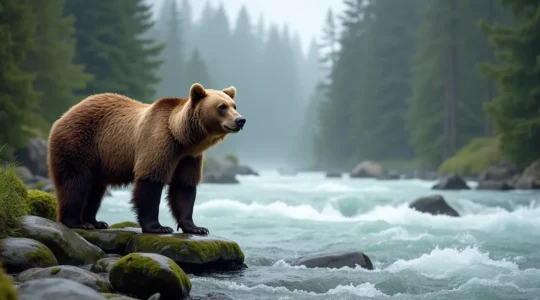
Grizzly Encounters on River Banks: Why You Must Never Run
In summary: Running from a grizzly triggers its predatory chase instinct; stand your ground and prepare your deterrents. The noise from rushing rivers creates “acoustic masking,” hiding your presence and a bear’s approach, demanding heightened visual awareness. Bear spray effectiveness…
Read more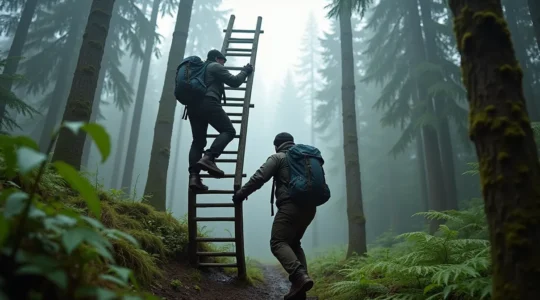
Training for the West Coast Trail: A Coach’s Guide to Hauling a 20kg Pack
Success on the West Coast Trail isn’t about general fitness; it’s about conditioning your body for its unique, high-impact demands. Your knees must be trained for eccentric load to handle steep, weighted descents without injury. Cardio preparation should focus on…
Read more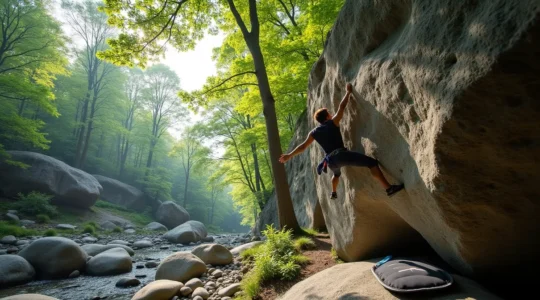
Sport Climbing at Niagara Glen: Do You Need a Permit to Boulder?
In summary: Yes, a bouldering permit is mandatory for every climber at Niagara Glen to support conservation. Safety is paramount; the area has known rockfall hazards, and adherence to rules is not optional. The local dolostone rock is soft and…
Read more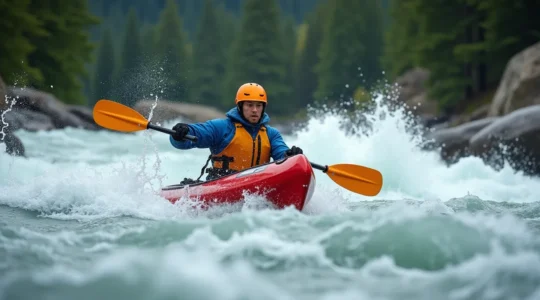
Whitewater Canoeing: Master the J-Stroke and Conquer Class III Rapids with a Pro’s Mindset
In summary: Success in whitewater isn’t about one stroke; it’s about developing “river sense” and having a dynamic conversation with the current. Mastering core safety skills like the wet exit and understanding cold water risks are non-negotiable prerequisites for tackling…
Read more
Adrenaline Tourism in Ontario: How to Verify Safety Standards Before Booking?
In summary: Verify every operator’s TSSA (Technical Standards and Safety Authority) permit, which is mandatory for devices like ziplines in Ontario. Scrutinize the medical waiver; it’s a legal document outlining specific risks, and its clarity reflects the operator’s professionalism. Assess…
Read more
How to Secure West Coast Trail Permits on Launch Day
Securing a West Coast Trail permit is a strategic operation that hinges on preparation and understanding the system, not luck. Mastering the reservation system’s pressure points and timing is non-negotiable for success on launch day. Using British Columbia’s Juan de…
Read more
The Scramble Rating System: Is the Crypt Lake Trail Too Dangerous for Beginners?
The Crypt Lake Trail’s true danger isn’t the famous ladder or tunnel; it’s a combination of hidden factors like rock quality and time pressure that can trap even fit hikers. Polished, slippery rock requires specific footwear (approach shoes), not just…
Read more